
Product Knowledge
Filter by topic
17 items
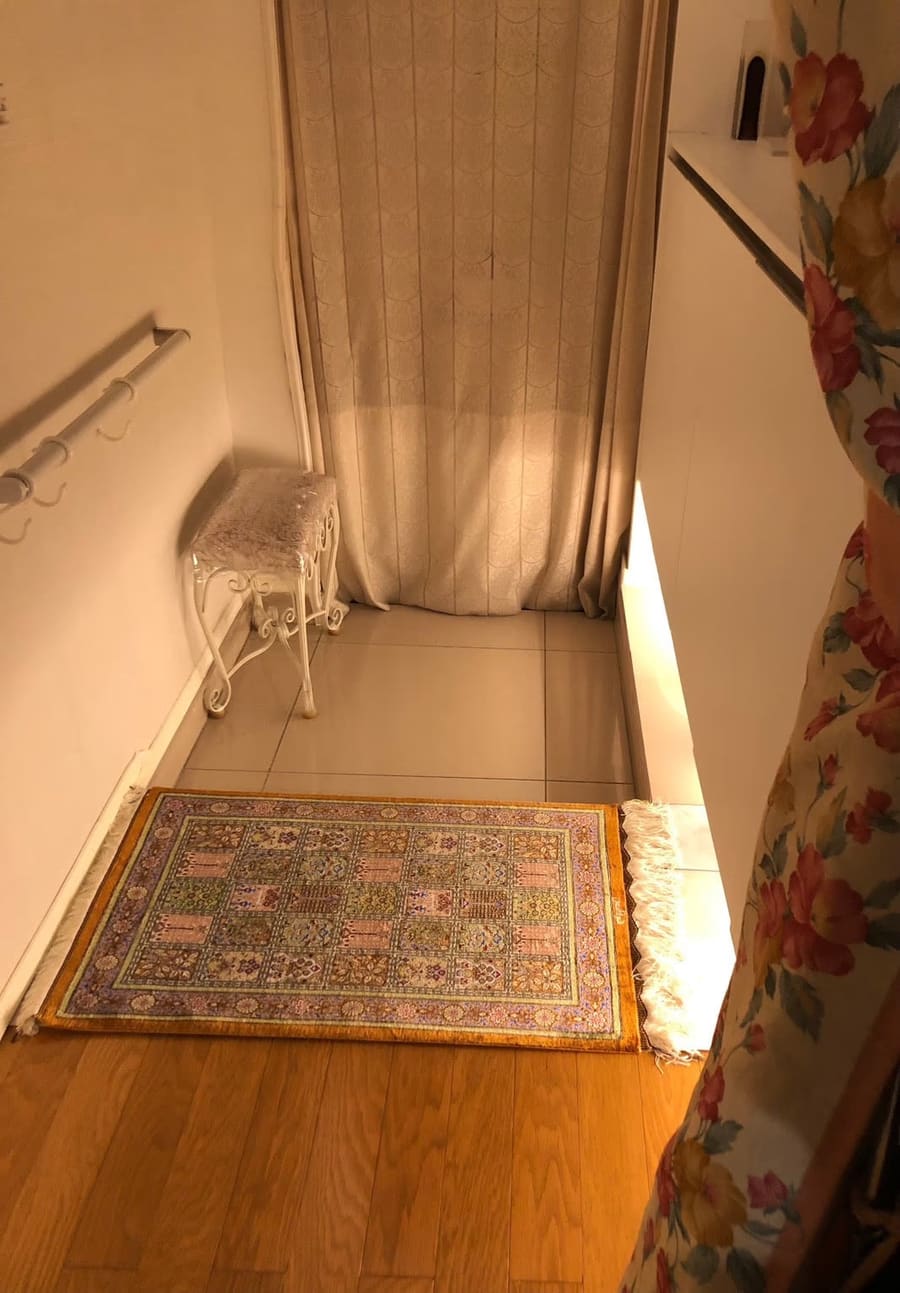
Qom ・ Silk
How to Choose Silk Kum for Your Entrance – Video and Long-Term Customer Feedback
Choosing a silk Persian rug as an entrance mat. We share insights from years of specialty store experience, customer feedback, and selection guidelines, along with a video.
続きを読む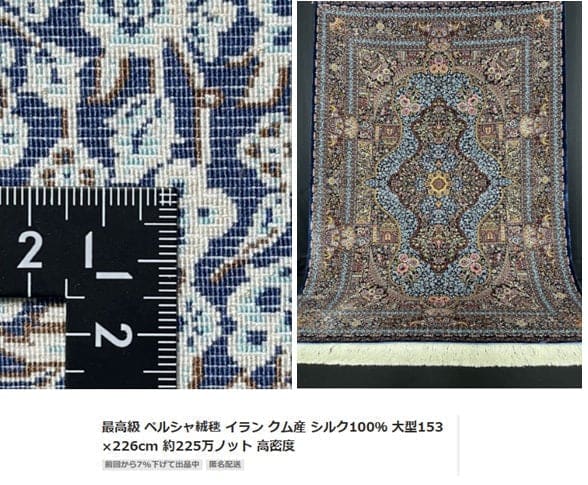
Machine-Woven ・ How to Tell
Distinguish Between Hand-Knotted and Machine-Woven — One Test: Pull a Pile Thread From the Back
How to distinguish between authentic hand-knotted Persian rugs and machine-made ones, a method anyone can use at home without being an expert. This guide, compiled from the perspective of a shop owner who has seen these rugs firsthand, covers structural differences discernable by simply pulling a fiber from the back, differences in feel underfoot, material and design variations, and a checklist before purchase. Golestan Rugs.
続きを読む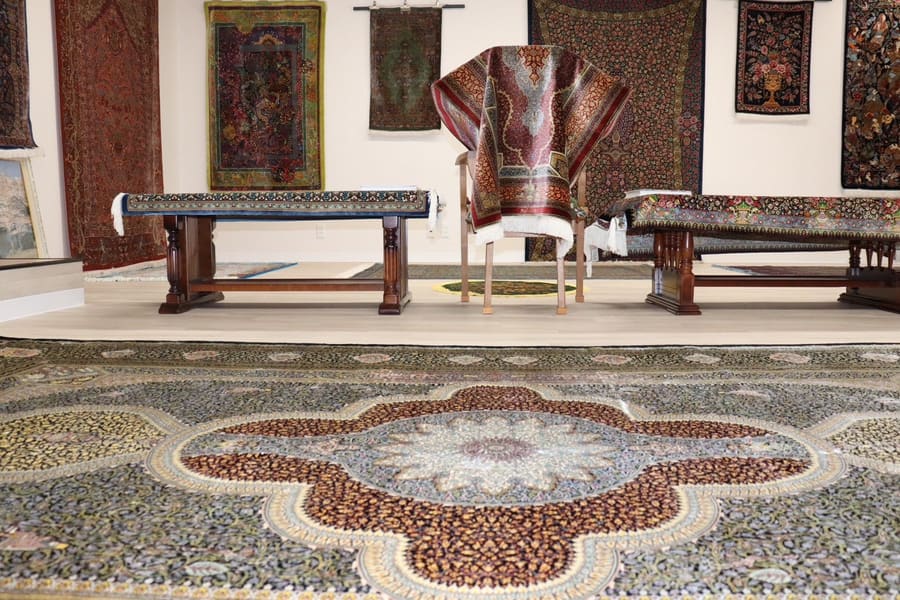
Guide ・ Persian Rug
A Guide to Persian Carpets — Origins, History, and How to Choose
A comprehensive introduction to Persian rugs. A detailed explanation from the shop owner's perspective, based on what they've seen locally, covering 3000 years of history, major production areas such as Qom, Tabriz, and Nain, materials like wool, silk, and wool & silk, knotting techniques and knot counts, patterns, sizes, manufacturing processes, care, and a guide to choosing a rug, with links to detailed articles for each topic. Golestan Specialty Shop.
続きを読む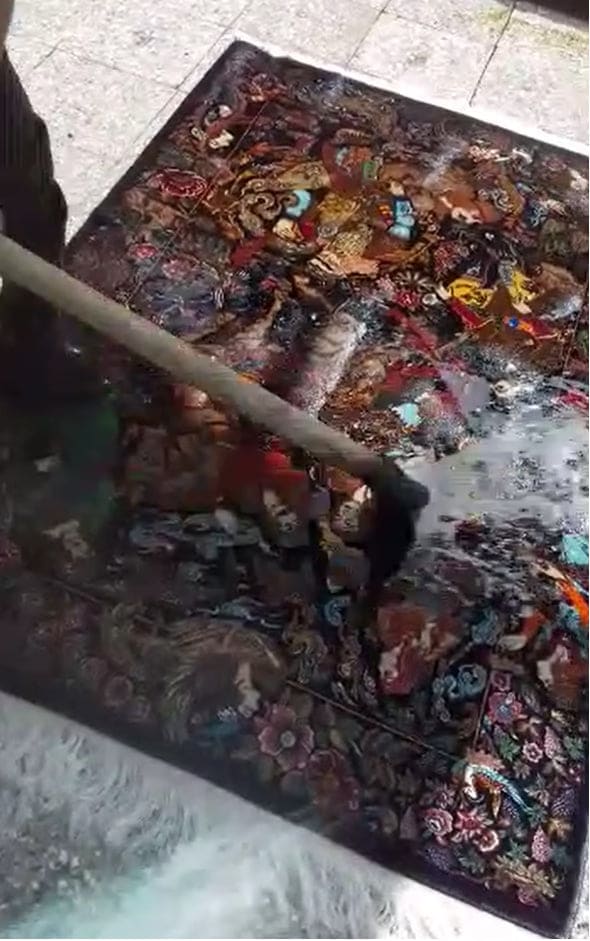
Cleaning ・ Process
Finishing Process for Qum Rugs: Washing
Details of the "washing" process essential to finishing Persian carpets. We explain why carpets are washed after weaving, the traditional brush and spatula method, sun-drying in Qom's dry climate, the effects of salt-containing water quality, and the option of local cleaning, all from the perspective of a shop owner who has seen it firsthand, with accompanying videos. GOLISTAN, a specialty store.
続きを読む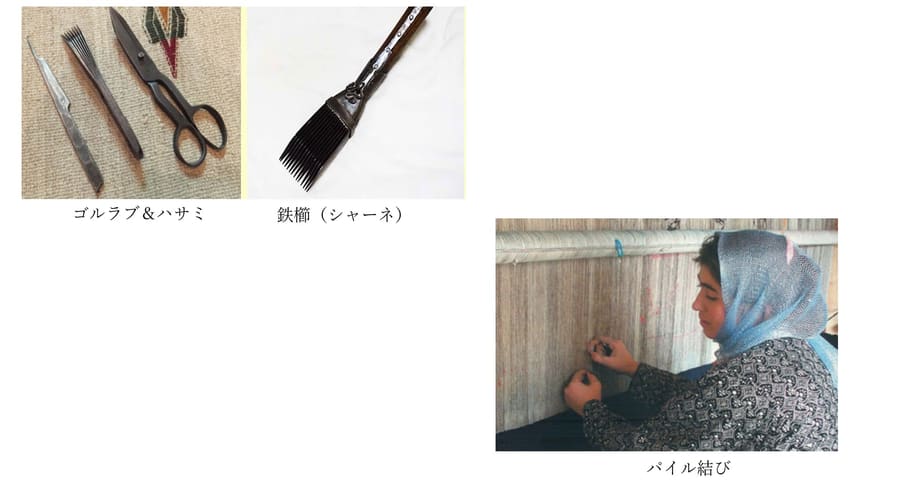
Workshop ・ Hand-Woven
The Making of a Persian Rug: From Design to Finish
Watch videos of the entire Persian rug-making process, from drafting and dyeing to loom setup, hand-weaving, removal from the loom, shearing, washing, re-shearing, and fringe finishing, as seen by our shop owner at local workshops. Includes links to detailed articles for each step. Golestan Persian Rugs.
続きを読む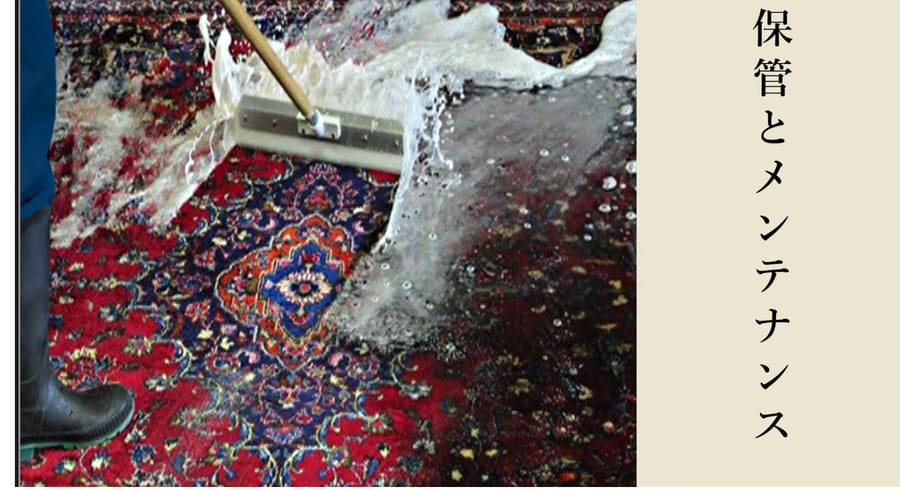
Care ・ Maintenance
How to Care for Your Silk Carpet – Daily Care and Troubleshooting
Golestan, a specialty store, provides advice on how to keep your silk Persian rug beautiful for a long time. Based on interviews at local workshops, we explain daily care, stain removal, storage, insect prevention, rolling and wall hanging, and guidelines for professional cleaning, distinguishing between what can be done at home and what should be left to professionals.
続きを読む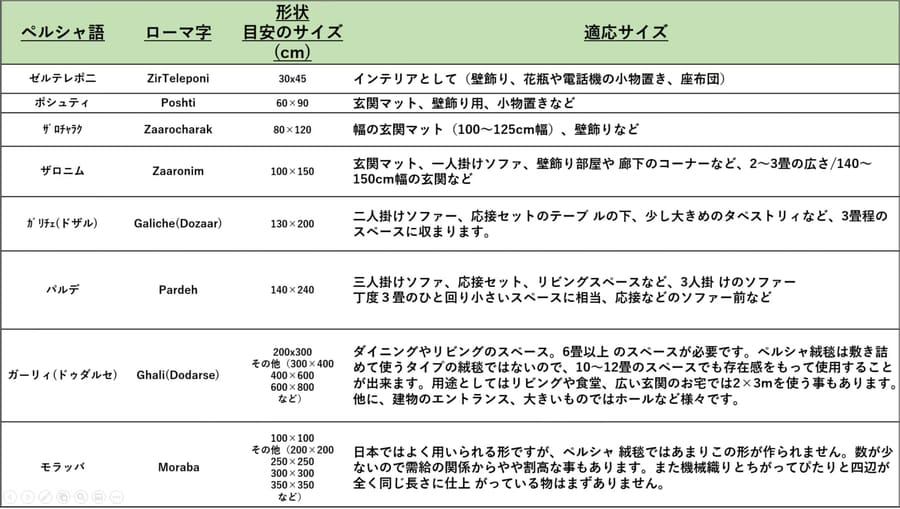
Size ・ Living
Persian Rugs by Size — Traditional Names and Choosing by Room
We've compiled a guide to traditional Persian rug sizes (Zar-o-nim, Poshti, Ghaliche, Ghalii, etc.), how to choose the right rug for your entryway, living room, bedroom, or as a wall hanging, and important considerations regarding fringes, which are often overlooked in size specifications. This guide includes customer testimonials and videos. Golestan, a specialty store.
続きを読む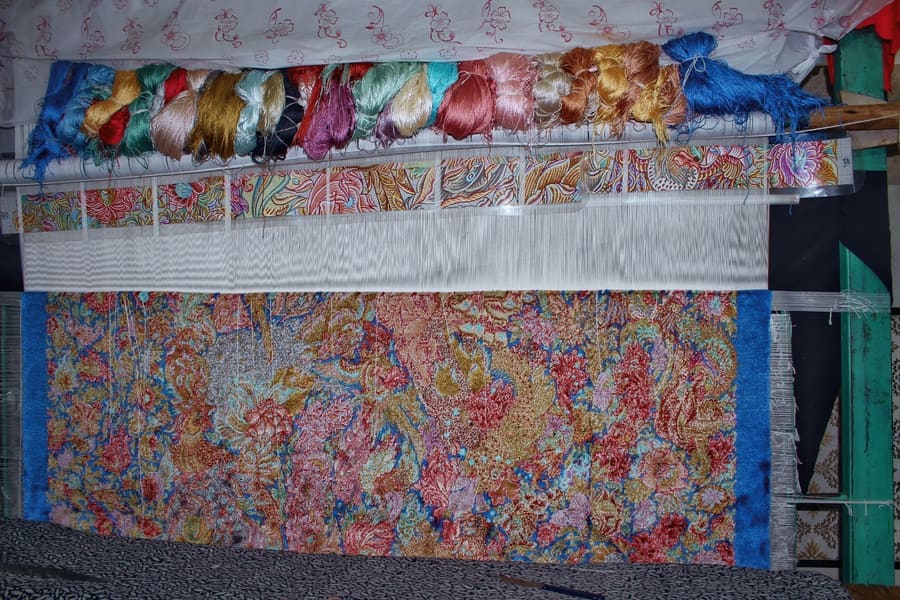
Process ・ Silk Thread
From Silkworm Egg to Silk Thread: Cocoon, Drying, and Reeling
The entire process of making silk threads for Persian carpets. This explanation, from the perspective of the shop owner who observed the process locally, covers everything from silkworm egg management, mulberry leaf feeding, cocoon formation, and dry cocooning, to reeling and dyeing. Approximately 400-600 cocoons are needed for one square meter of carpet. Golestan, the specialty store.
続きを読む
Qom ・ Silk
Six Things to Check Before Choosing Your Qom Silk Carpet
When choosing a silk Persian rug from Qum, there are six points to check, in order of knot count, luster, color and pattern, weave, softness, and feel. This guide was compiled from the perspective of a shop owner who has observed these rugs in their native land for many years. Whether it's your first rug or your second, trust Golestan, the specialty store.
続きを読む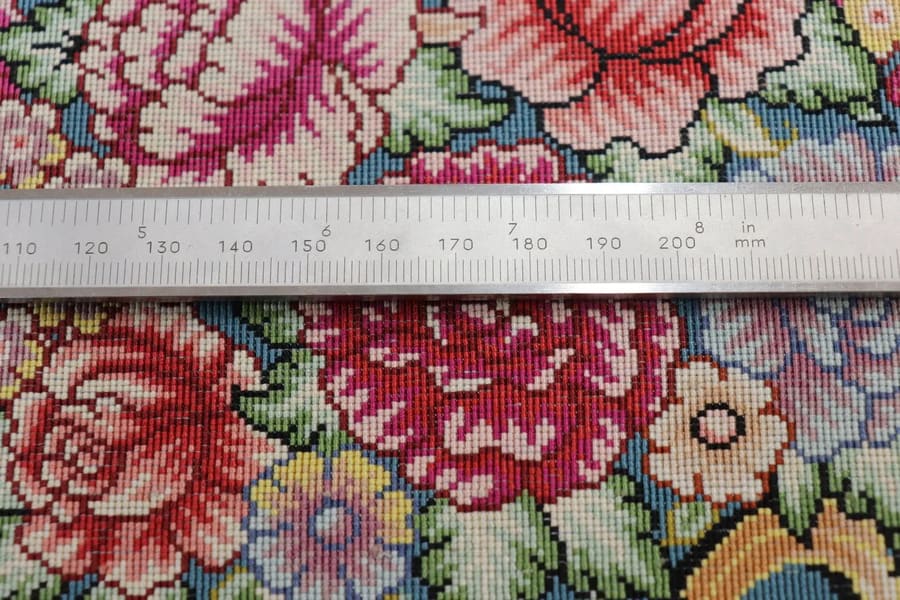
Knot ・ Raj (Knot Density)
Knot Count and Rags — Weaving Density Told Through Feel, Not Numbers
This article explains the quality indicators of Persian carpets, "knot count" and "raj," by converting raw numbers into tangible sensations. From a shop owner's perspective, who has seen these carpets firsthand, it summarizes what a density of 70-100 raj (1 million-1.4 million knots) for Qum silk carpets feels like, how to identify machine-made fakes, and how to verify authenticity by examining the back.
続きを読む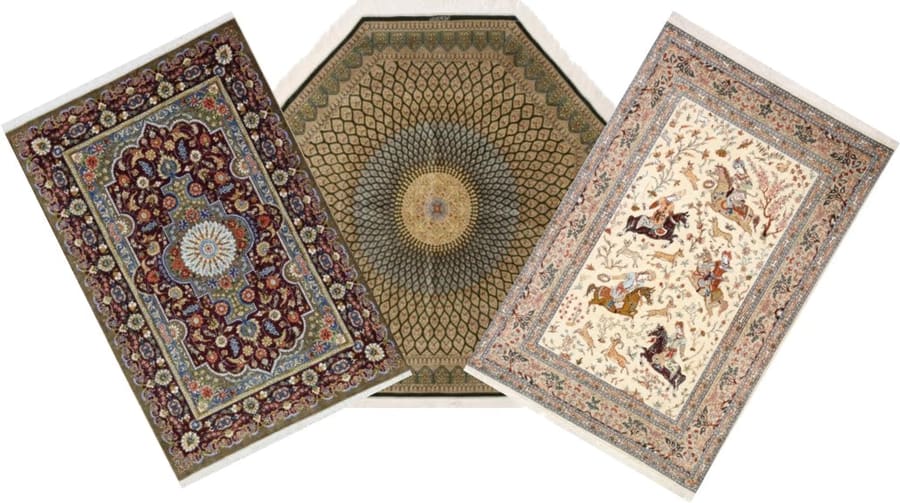
Design ・ Persian Rug
How to Interpret Persian Carpet Patterns — From Medallions to the Tree of Life
We explain the meanings and distinguishing features of typical Persian rug patterns. We've compiled a video from the perspective of a shop owner who has seen these rugs firsthand in their native lands, featuring patterns such as medallions, trees of life, vases, hunting scenes, domes, gardens, paisley (boteh), peacocks, floral and bird motifs, arabesques, all-over patterns, and prayer niches, with both their original names and Japanese names listed. Golestan Specialty Store.
続きを読む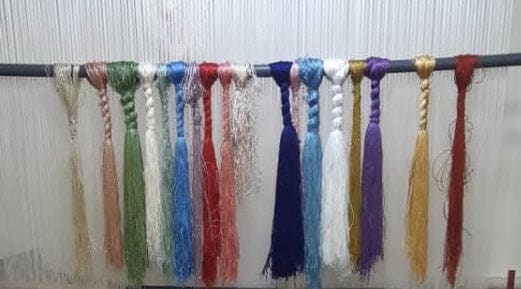
Wool ・ Silk
Wool vs. Silk: Which to Choose for Your First Piece
Persian carpets are primarily made from one of three materials: wool, silk, or a wool and silk blend. We'll explain the feel, durability, price range, and ideal uses for each, from the perspective of our shop owner who has personally handled them in their home countries. We've put together a guide, complete with a video, to help you choose your first carpet based on your intended use and lifestyle. Golestan, your Persian carpet specialist.
続きを読む